
Contents
Overview
The formalization of pair programming emerged from the Extreme Programming (XP) movement in the late 1990s. While the concept of two developers working together on a single task has older roots, XP provided a structured framework and advocated for it as a core practice for producing high-quality software. Early adopters within companies like Automattic (creators of WordPress) and Google began experimenting with and refining these techniques, moving it from a niche XP practice to a more widely adopted collaborative strategy within various software development teams.
⚙️ How It Works
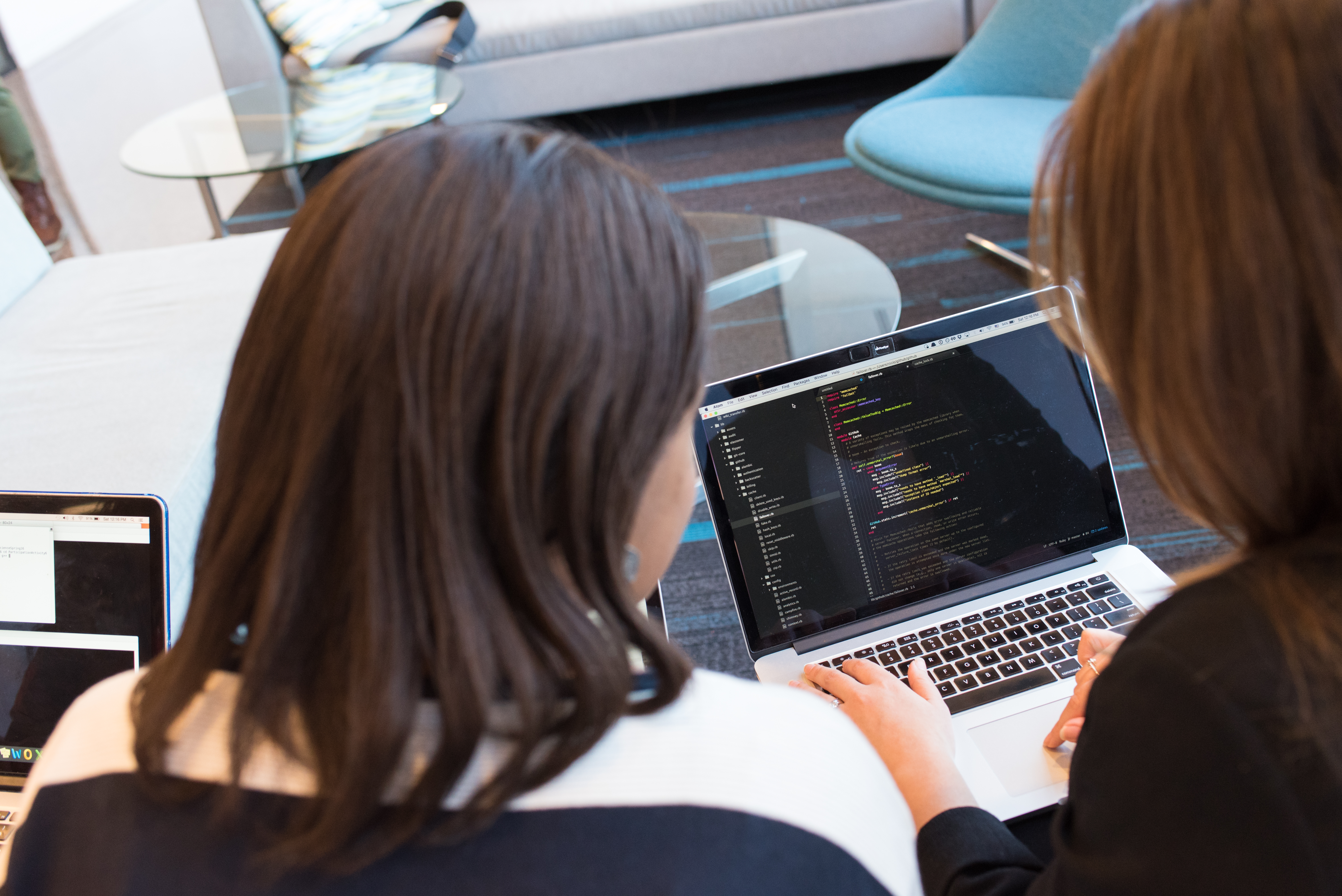
At its heart, pair programming involves two developers, a 'driver' and a 'navigator,' at one computer. The driver focuses on writing code, typing and implementing the immediate task, while the navigator reviews the code as it's written, suggests improvements, identifies potential bugs, and keeps the broader project goals in mind. This dynamic allows the driver to concentrate on the 'how,' while the navigator handles the 'what' and 'why.' Frequent role-swapping, typically every 15-30 minutes, prevents fatigue and ensures both individuals gain comprehensive understanding of the codebase and problem domain. Tools like tmux or screen can facilitate this, though simply sharing a keyboard is the most common method.
📊 Key Facts & Numbers
Studies have shown significant benefits: defect rates can decrease by up to 15%, and productivity, while sometimes perceived as lower per individual, often increases by 10-15% when considering the reduction in bugs and rework. A 2001 study by Carl Kessler found that teams using pair programming reported 33% fewer defects. Furthermore, onboarding new developers can be accelerated by as much as 50% through the constant knowledge transfer inherent in the practice. Some analyses suggest that for every hour spent pair programming, up to 1.5 hours of debugging time can be saved later.
👥 Key People & Organizations
Key proponents and organizations have been instrumental in popularizing pair programming. Extreme Programming itself, as a methodology, placed pair programming at its forefront. Alister Scott and Jessica Parsons are contemporary figures who have written extensively on its practical implementation and benefits within modern development teams. Companies like Automattic have long integrated pair programming into their culture, demonstrating its scalability and effectiveness even in large, distributed teams. The Agile Alliance also frequently features discussions and resources on pair programming best practices.
🌍 Cultural Impact & Influence
Pair programming has profoundly influenced the culture of software development, shifting the perception of coding from a solitary activity to a collaborative art form. It fosters a sense of shared ownership and responsibility for the codebase, breaking down knowledge silos that can form in traditional development environments. This collaborative ethos has permeated other areas, influencing team communication strategies and promoting a more open feedback culture. The practice is often seen as a direct counterpoint to the 'lone wolf' programmer stereotype, emphasizing teamwork and collective intelligence, aligning with the core tenets of symbiotic programmer philosophy.
⚡ Current State & Latest Developments
In 2024, pair programming remains a vital technique, particularly within Agile and DevOps frameworks. Remote pair programming has seen a surge, facilitated by advanced screen-sharing tools like Zoom, Microsoft Teams, and specialized IDE plugins such as VS Code Live Share. While the core principles remain, the tools and contexts have evolved to support distributed teams. Many organizations are now exploring 'mob programming,' an extension where an entire team works on the same thing, at the same time, in the same space, and on the same computer, further amplifying the collaborative aspect.
🤔 Controversies & Debates
One persistent debate centers on perceived productivity loss. Critics argue that two developers working on one task effectively halves the output of individual developers, leading to slower feature delivery. This is often countered by proponents who highlight the significant reduction in bugs and the long-term gains from improved code quality and knowledge sharing. Another controversy involves the 'driver' feeling micromanaged or the 'navigator' being too passive. Finding the right balance and ensuring effective communication are ongoing challenges, with some teams struggling to implement it without friction.
🔮 Future Outlook & Predictions
The future of pair programming likely involves deeper integration with AI-assisted coding tools. Imagine an AI acting as a third 'navigator,' providing real-time suggestions, identifying complex patterns, or even handling routine code generation, allowing the human pair to focus on higher-level design and problem-solving. We might also see more sophisticated tooling that dynamically adjusts role-swapping frequency based on task complexity or developer fatigue. The continued growth of remote work will also drive innovation in virtual collaboration tools, making distributed pair programming as seamless as in-person collaboration.
💡 Practical Applications
Pair programming is widely applied in software development for tasks ranging from writing new features and fixing bugs to refactoring existing code and conducting code reviews. It's particularly effective for complex problem-solving, where brainstorming and diverse perspectives are crucial. New developers benefit immensely, gaining hands-on experience and learning best practices directly from senior colleagues. It's also used in educational settings to teach programming concepts and collaborative development skills, often seen in university computer science courses and coding bootcamps like Fullstack Academy.
Key Facts
- Category
- technology
- Type
- concept